

UNITY 4D Cataract Surgery: Faster, Gentler Lens Removal for Clearer Vision
Cataract surgery is no longer just about removing a cloudy lens. Today, patients want a procedure that protects the cornea, keeps inflammation low and lets them get back to normal life quickly. UNITY 4D, built on Alcon’s UNITY cataract platform, is designed around exactly these goals. At Chandra Super Speciality Eye Hospital, Lucknow, this technology helps our surgeons treat cataracts with greater control and less stress on your eye.
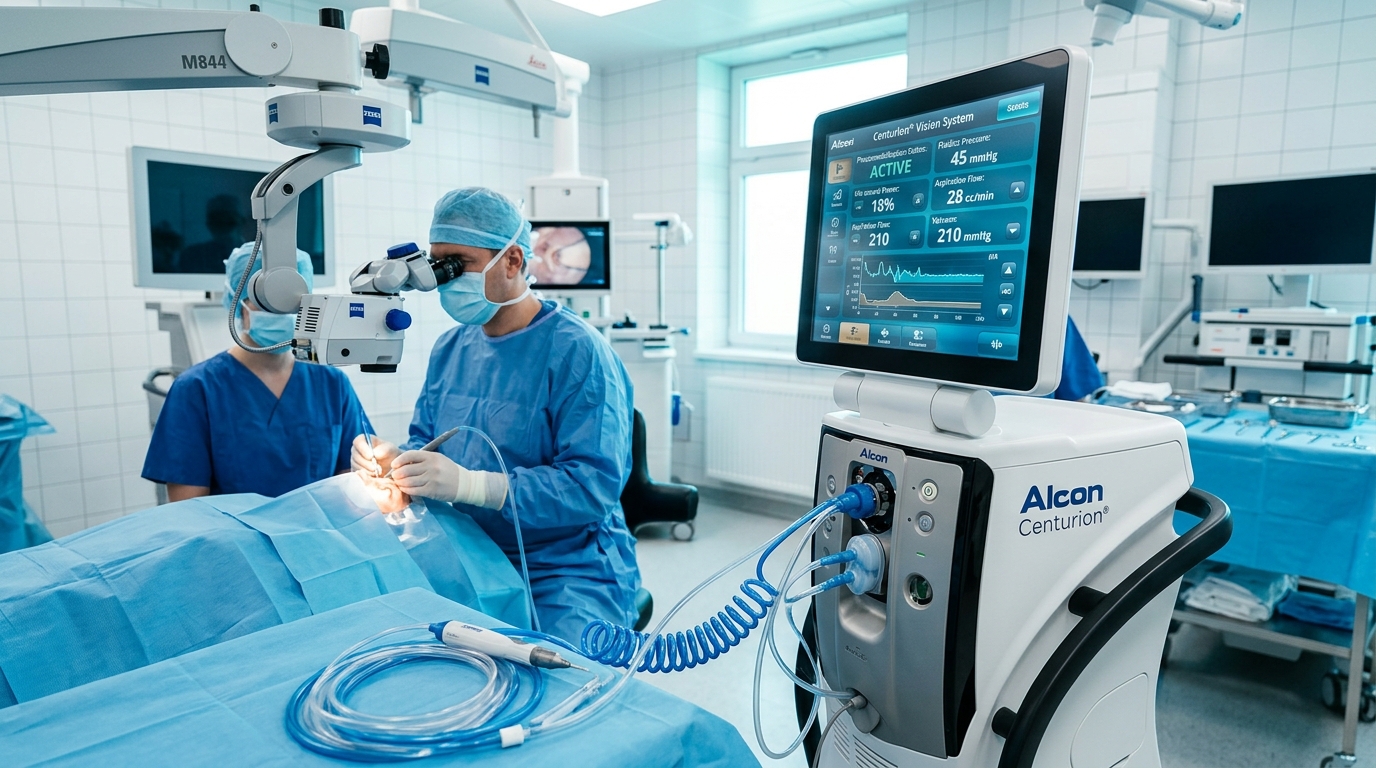

What Is UNITY 4D Cataract Surgery?
UNITY 4D is an advanced phacoemulsification system. In phaco surgery, the surgeon makes a tiny incision, breaks the clouded natural lens into fragments with ultrasound energy and gently removes them. An artificial intraocular lens (IOL) is then placed in the eye.
What sets UNITY 4D apart is how the ultrasound tip moves and how the machine manages pressure, fluid and heat throughout the procedure. It is not a laser. It is a smarter, more responsive version of the proven phaco technique, so the surgeon stays in full control while the system provides extra layers of protection.
What Does “4D” Actually Mean?
Conventional phaco handpieces move the tip in one or two directions, back and forth or in a twisting motion. UNITY 4D Phaco adds multi-directional motion, which actively draws lens fragments toward the tip. Surgeons call this “followability”: the tip keeps hold of the fragments instead of chasing them around the eye.
Faster Nucleus Removal
In Alcon’s bench testing, this approach removed the lens nucleus up to two times faster than OZil torsional phaco.
Less Energy Delivered
Delivered about 41% less ultrasound energy directly into the eye, minimizing acoustic stress.
Lower CDE Exposure
Achieved about 48% lower Cumulative Dissipated Energy (CDE), providing substantial relief to corneal tissue.
Less energy generally means less stress on the delicate cells at the back of your cornea. These figures come from laboratory bench data, and individual results vary from patient to patient.
Built-In Safety Features That Protect Your Eye
UNITY 4D works as a complete system. Four technologies run together during surgery.
Intelligent Fluidics: Stable Eye Pressure
During surgery, fluid flows in and out of the eye constantly. The Intelligent Fluidics system uses sensors near the surgical site to monitor and adjust eye pressure in real time. This keeps the front chamber of the eye stable, which is especially valuable in complex or high-risk cases.
Intelligent Sentry: Surge Control
Sometimes a lens fragment blocks the aspiration line and then suddenly breaks free, causing a rush of fluid called a surge. Intelligent Sentry senses this occlusion break quickly and vents pressure to cushion the effect. In bench testing against a leading previous-generation platform, UNITY CS showed noticeably lower surge volumes, which supports a steadier eye during the most delicate moments.
Thermal Sentry: Heat Monitoring
Ultrasound creates heat, and too much heat at the incision can harm the cornea. Thermal Sentry continuously estimates the temperature at the incision site and adjusts ultrasound power when it reaches a set threshold. This protects the cornea and supports a smoother healing process.
Multi-Directional 4D Followability
The tip moves along multi-directional axes, actively attracting cataract particles towards the aspiration port. This prevents fragments from scattering across the anterior chamber, minimizing turbulence and operative time.
Benefits of UNITY 4D for Patients
When these technologies work together, patients may experience greater surgical safety and comfort.
Less Ultrasound Energy Delivered
Reduced acoustic power exposure inside the eye prevents unnecessary surgical trauma.
Better Protection of Corneal Cells
Preserves non-regenerating corneal endothelial cells, essential for crystal-clear long-term sight.
Lower Inflammation & Swelling
Minimized energy dissipation leads to quieter eyes post-operatively with reduced redness and discomfort.
A Stable, Controlled Surgical Environment
Intelligent fluidics and surge control keep the anterior chamber exceptionally steady throughout.
Comfortable Healing & Quicker Routine Return
Less surgical stress helps patients recover comfortable functional vision rapidly.
Optimal Foundation for Premium IOLs
Creates clean, stable conditions essential for multifocal, toric, and EDOF lenses to excel.
Your surgeon’s skill and your overall eye health remain the biggest factors in your outcome. UNITY 4D simply gives your surgeon a stronger toolkit.
UNITY 4D vs Conventional Phaco Surgery
How Alcon's newest cataract platform compares against traditional phacoemulsification technology.
| Feature | Conventional Phaco | UNITY 4D |
|---|---|---|
| Tip motion | One or two directions | Multi-directional 4D motion |
| Lens removal efficiency | Standard | Up to 2x faster (bench data) |
| Energy delivered | Higher | About 41% less (bench data) |
| Pressure control | Largely manual | Real-time automated control |
| Surge protection | Basic | Intelligent Sentry |
| Heat monitoring | Limited | Thermal Sentry |
Who Can Benefit Most from UNITY 4D?
While suitable across a broad spectrum of cataract cases, this technology offers particular advantages for:
Dense or Advanced Cataract
Harder lenses normally need more ultrasound energy, so efficient multi-directional removal matters significantly.
Low Endothelial Cell Count or Fragile Cornea
Protecting these non-regenerating cells is an utmost clinical priority to prevent post-surgical corneal edema.
Age-Related Ocular Fragility
Older eyes often benefit from gentler energy delivery, controlled heat dissipation, and steady intraocular pressure.
Plans for a Premium IOL
Multifocal, extended depth of focus (EDOF), and toric lenses perform best in eyes with minimal surgical trauma.
Previous Eye Surgery
A history of prior LASIK, PRK, or retinal surgery requires careful fluidic stability and surgeon precision.
Only a detailed eye examination can confirm what suits you. Your surgeon will review your cataract grade, corneal health and lifestyle needs before recommending a plan.
What to Expect: Procedure and Recovery
Modern cataract surgery with UNITY 4D is streamlined, gentle, and performed on a comfortable daycare basis.
Complete Eye Assessment
Comprehensive biometry measurements to calculate exact intraocular lens (IOL) power, corneal topography, and endothelial health.
10 to 20 Minute Procedure
Topical numbing drops ensure complete comfort. The procedure takes only 10 to 20 minutes, and most patients go home the same day.
Post-Op Care & Drops
Use prescribed eye drops, avoid rubbing your eye, protect it from dust and water, and attend scheduled follow-up visits.
Rapid Return to Daily Life
Many patients notice clearer vision within a few days. Your surgeon will confirm when it is safe to return to work, driving, and exercise.
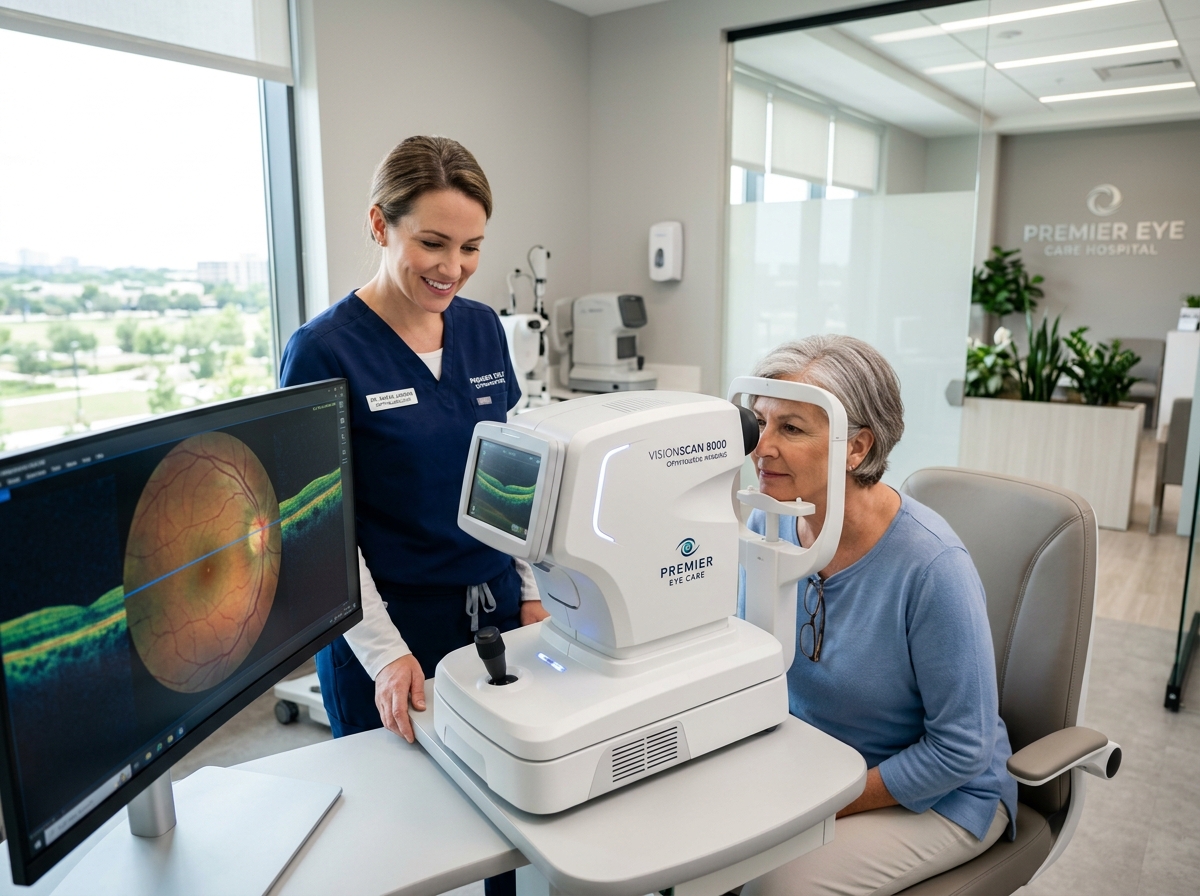
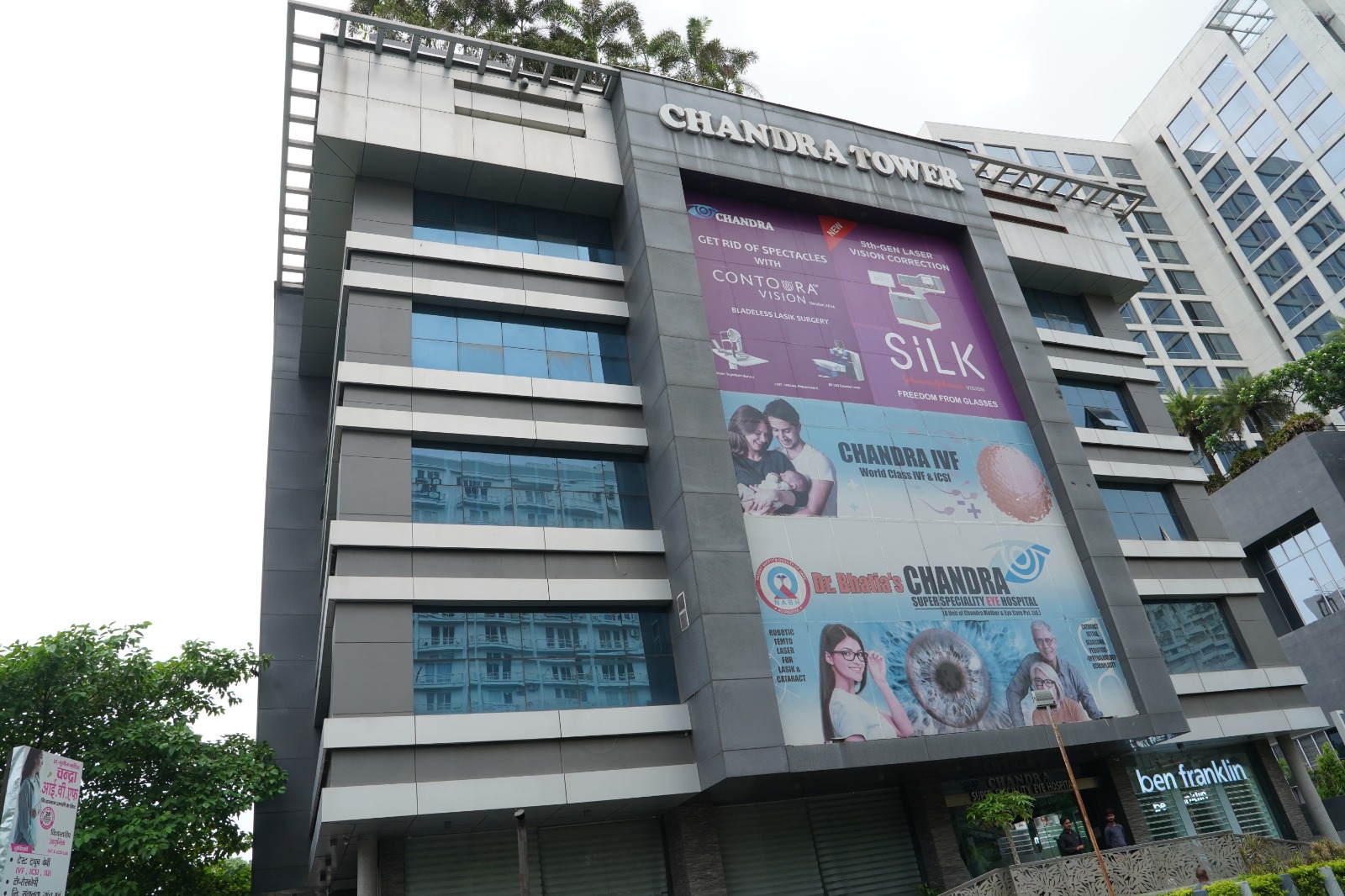
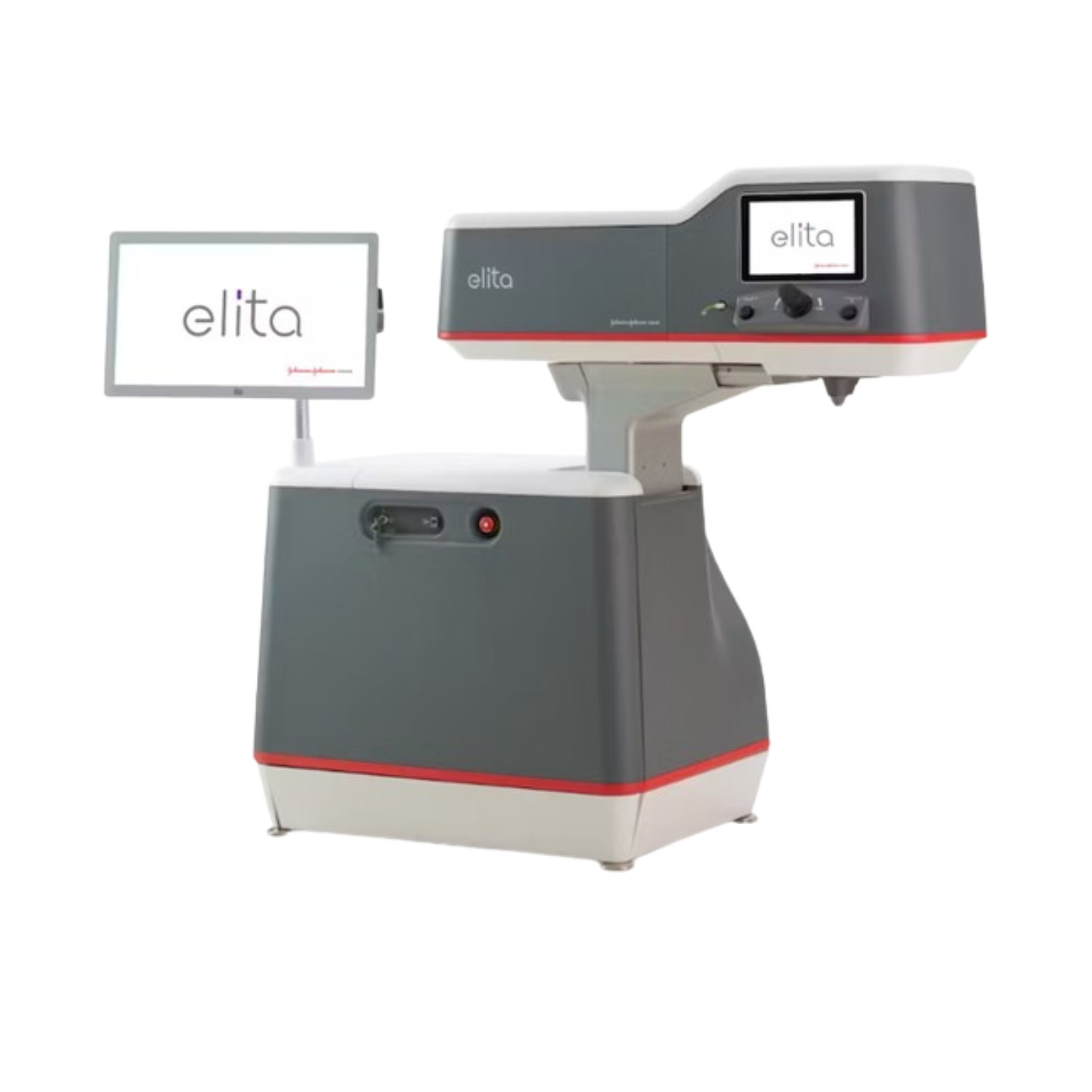
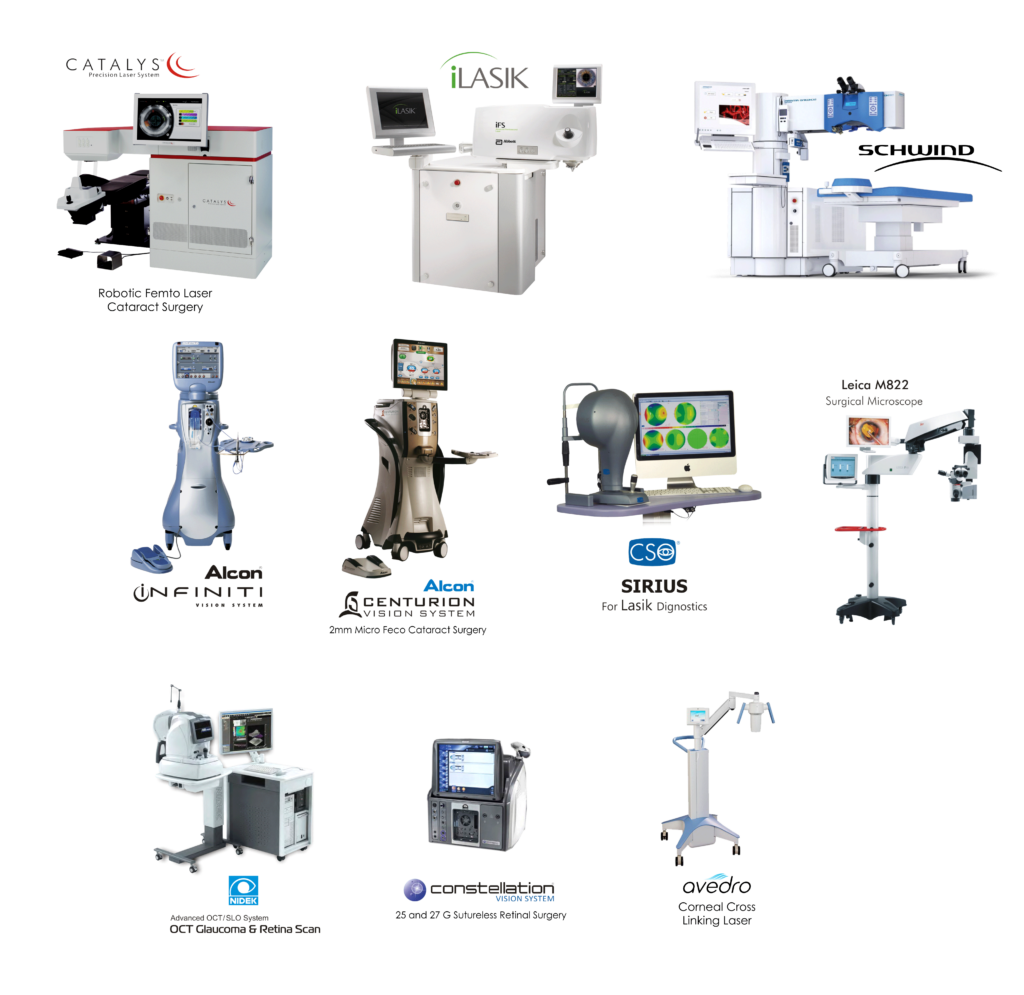
Operation Theatres & Surgical Suites
A glimpse into our advanced ophthalmic facilities and clinical equipment at Chandra Super Speciality Eye Hospital.
Why Choose Chandra Eye Hospital in Lucknow?
The right technology works best in the right hands. Experience dedicated cataract and refractive mastery.
At Chandra Super Speciality Eye Hospital, you get a careful pre-surgery work-up, a clear explanation of your options and a plan based on what is safe for your eyes, not just what is popular. Our team stays with you from the first consultation through follow-up care, so you are never left guessing about your recovery.
Super-Specialist Cataract Surgeons
Led by veteran ophthalmic surgeons trained at premier national institutes including Aravind Eye Hospital, with thousands of successful cataract procedures.
Precision Optical Biometry
Advanced non-contact optical biometers provide micron-accurate measurements for optimal toric, multifocal, and EDOF intraocular lens selection.
NABH-Aligned Sterility Standards
Modular laminar-airflow operation theatres equipped with HEPA filtration ensure maximum infection control and patient safety.
Compassionate Follow-Up Continuity
Dedicated post-operative consultations ensure your healing milestones and visual acuity are meticulously tracked every step of the way.
Frequently Asked Questions About UNITY 4D
Answers to common questions regarding UNITY 4D cataract surgery answered transparently by our eye specialists.
No. It is an advanced ultrasound-based phacoemulsification system. Some patients may also be considered for femtosecond laser-assisted surgery, and your surgeon can advise whether that suits you.
It is designed to handle a wide range of cataract types and densities, and it is particularly helpful for dense cataracts. Your surgeon will confirm suitability after examining your eye.
It does not add new risks to cataract surgery. Its automated pressure, surge and heat controls are designed to support safety, but no surgery is risk-free, and your doctor will explain all possible complications.
Most surgeons in India prefer to operate on one eye at a time, usually a few days to a few weeks apart, so the first eye can heal and the outcome can be reviewed.
Glasses dependence depends mainly on the IOL you choose. UNITY 4D helps create the stable surgical conditions in which a premium lens can perform well.
Disclaimer: This content is for general information and is not medical advice. Results vary from person to person. Please consult a qualified ophthalmologist for a personalised assessment.